
TMJ Treatment Washington, DC
Expert TMJ treatment at White32 Dental in Foxhall Square, Washington, DC. Diagnosis, custom oral appliances, bite correction, and lasting relief from jaw pain. Call (202) 686-6333.
Relief That Addresses the Cause
Diagnosis, oral appliances and bite correction at Foxhall Square in NW Washington, DC.
Symptoms That Bring Patients to Our Office
TMJ disorders show up differently for everyone. Some patients have one dominant symptom; others have a constellation of issues that seem unrelated until the TMJ connection is identified. The most common symptoms we see include:
- ✓ Jaw pain or soreness, especially in the morning or after eating
- ✓ Clicking, popping, or grinding sounds when opening or closing the mouth
- ✓ Difficulty opening the mouth fully or jaw locking
- ✓ Chronic headaches or migraines, particularly around the temples
- ✓ Ear pain, fullness, or ringing that doesn't respond to ENT treatment
- ✓ Neck and shoulder tension that keeps returning despite massage or chiropractic care
- ✓ Teeth grinding or clenching (bruxism), often during sleep
- ✓ Facial pain or tenderness around the cheeks and jaw
If several of these sound familiar, your jaw may be the common thread. Learn more about specific TMJ symptoms and how they're diagnosed.
What Causes TMJ Disorders?
Understanding the underlying cause is the key to effective treatment. TMJ disorders are rarely caused by a single factor. The most common contributors include:
For a deeper look at the condition itself, visit our page on what TMJ is and how it develops.
How We Treat TMJ at White32 Dental
Our approach starts with understanding your specific condition, not applying a one-size-fits-all protocol. Treatment depends on what's causing your TMJ disorder and how severe it is.
Comprehensive TMJ evaluation
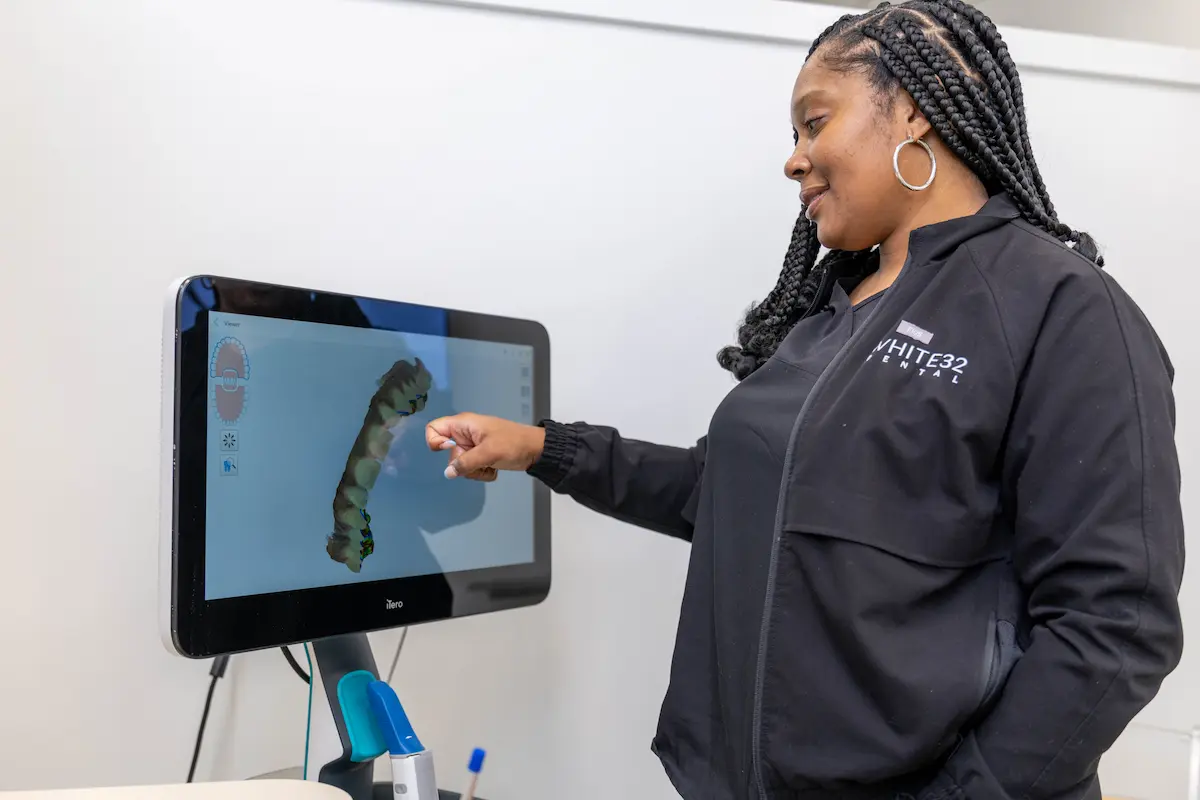
Dr. White examines your jaw movement, palpates the muscles and joint, evaluates your bite alignment, and takes digital X-rays to assess the joint structure. We listen to your full symptom history, including symptoms other providers may have overlooked, and show you what we see on screen so you understand exactly what's happening.
Custom oral appliance therapy
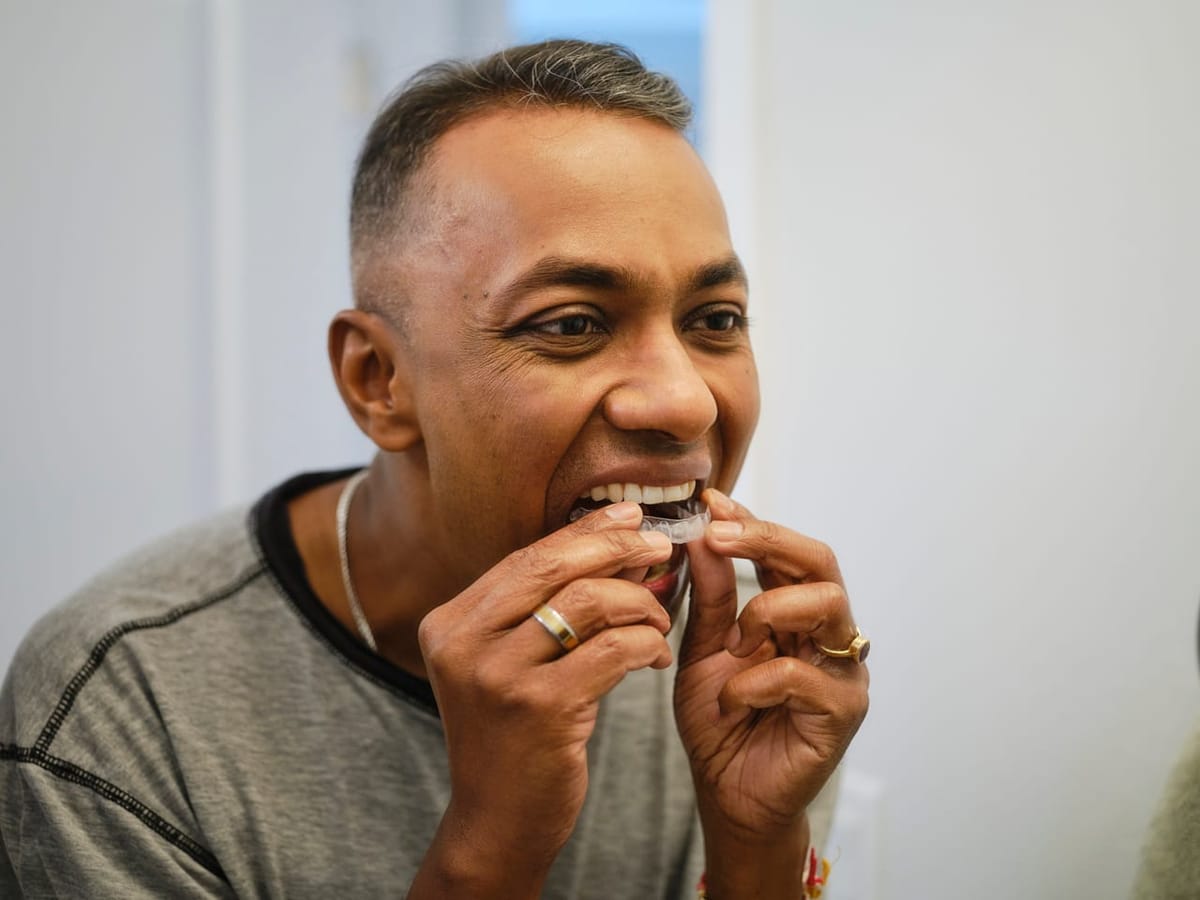
For patients whose TMJ issues stem from grinding, clenching, or bite problems, a custom-fitted nightguard or oral appliance worn during sleep repositions the jaw, reduces muscle strain, and takes pressure off the joint. This is the most common first-line treatment and provides significant improvement for many patients within weeks.
Bite adjustment and restorative support
When a misaligned bite is driving the TMJ problem, targeted adjustments, and in some cases restorative work like crowns to rebuild worn teeth, can correct how your teeth come together and eliminate the compensation patterns causing your symptoms.
Guided exercises and lifestyle support
We work with you on practical strategies to reduce jaw tension: awareness exercises, postural adjustments, dietary modifications during flare-ups, and stress management techniques. These support the clinical treatment and help prevent recurrence.
Why Patients Choose White32 for TMJ Treatment
TMJ disorders are often misunderstood, misdiagnosed, or undertreated. The difference at White32 Dental comes down to how seriously we take the problem and how personally we approach each case.
TMJ and Your Ears: A Connection Most People Miss
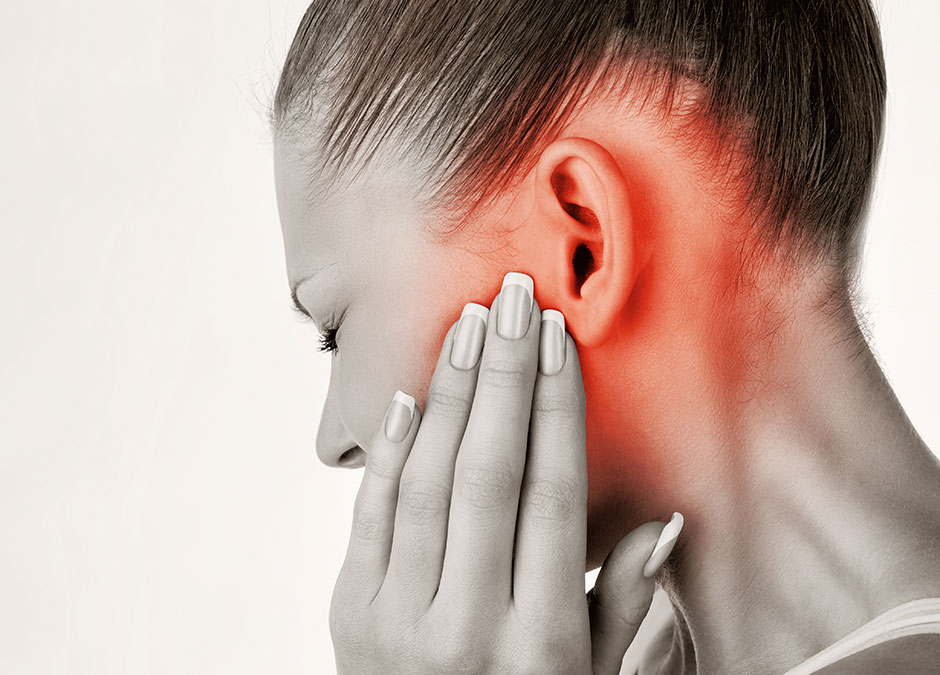
One of the most common reasons patients find our practice is persistent ear symptoms that no one can explain. Because the TMJ sits directly in front of the ear, dysfunction in the joint can cause ear pain, fullness, pressure, and ringing that feels identical to an ear infection, but doesn't respond to antibiotics.
If you've been to an ENT and been told your ears are fine, but the symptoms persist, a TMJ evaluation should be your next step.
TMJ Treatment for NW Washington, DC and the Greater DMV
White32 Dental is located at Foxhall Square, 3301 New Mexico Avenue NW, Suite 323. We see TMJ patients from Georgetown, the Palisades, Spring Valley, Glover Park, Wesley Heights, Cathedral Heights, and across the greater DMV and the greater DMV, including patients referred by ENTs, primary care physicians, and other dental offices.
If jaw pain, headaches, ear symptoms, or clicking have been disrupting your life and no one has been able to explain why, call (202) 686-6333 or book online. We'll give you a clear diagnosis and a treatment plan that actually addresses the root cause.
Frequently Asked Questions About TMJ Treatment
Do I need a referral to see a TMJ specialist?
No. You can schedule a TMJ consultation directly with White32 Dental. Many patients come to us on their own after standard treatments haven't worked.
How long does TMJ treatment take?
Many patients notice significant improvement within 2-6 weeks of starting oral appliance therapy. More complex cases involving bite correction or restorative work may take several months. We'll give you a realistic timeline during your consultation.
Does insurance cover TMJ treatment?
Coverage varies by plan. Some dental and medical insurance plans cover TMJ diagnosis and treatment, including oral appliances. Our team will review your benefits and explain your coverage. We also offer payment plans and financing through Cherry.
What's the difference between TMJ and TMD?
TMJ refers to the temporomandibular joint itself. TMD (temporomandibular disorder) is the medical term for the condition affecting that joint. In everyday conversation, most people use "TMJ" to mean both the joint and the disorder.
Can TMJ go away on its own?
Mild, stress-related episodes sometimes resolve with rest. But if symptoms have lasted more than a few weeks or keep recurring, professional treatment is typically needed. Delaying care allows muscle patterns and joint inflammation to become more entrenched.
What happens during a TMJ consultation?
Dr. White examines your jaw movement, palpates the muscles and joint, evaluates your bite, takes digital X-rays, and reviews your full symptom history. You'll leave with a clear understanding of what's causing your symptoms and a recommended treatment plan.
What is TMJ?
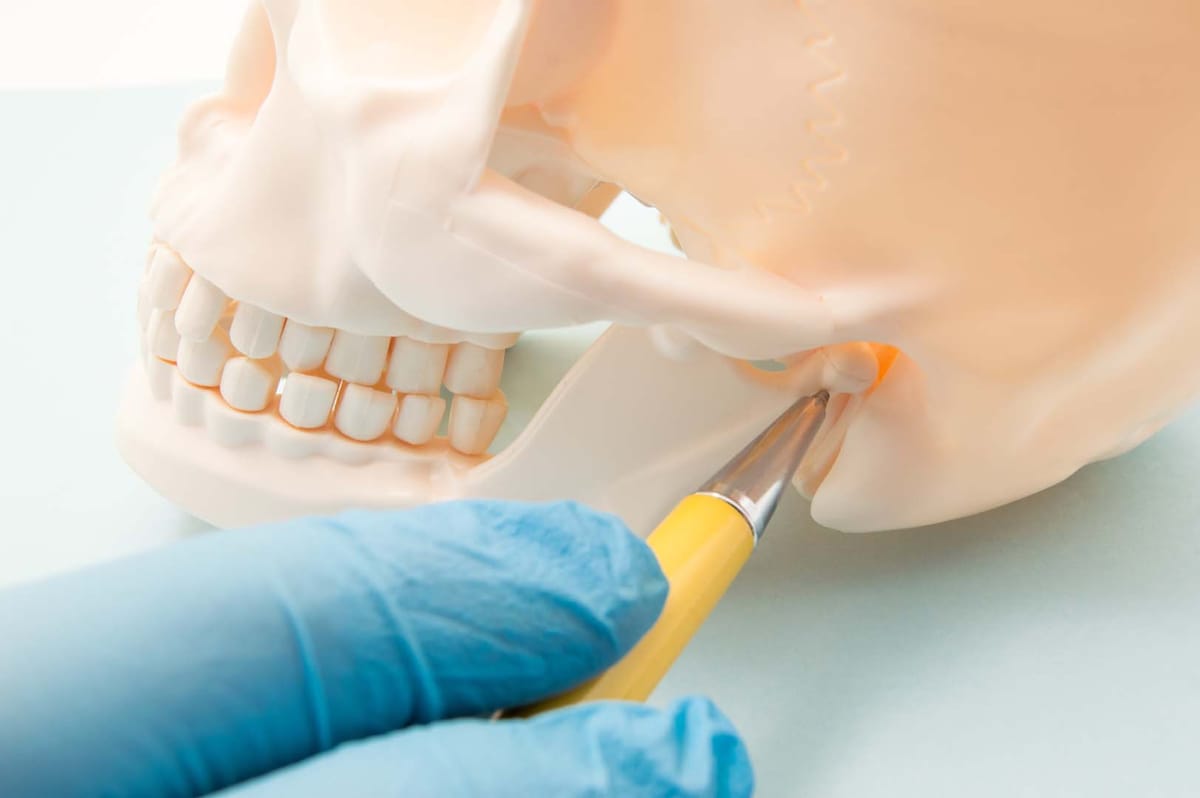
TMJ, short for Temporomandibular Joint Disorder, refers to a condition affecting the jaw joint and muscles controlling jaw movement. This intricate joint facilitates actions like chewing, speaking, and yawning.

Comprehensive TMJ Diagnostics: Understanding Your Symptoms
Navigating TMJ disorders starts with recognizing the symptoms and understanding the treatment landscape. Effective management is key to improving your quality of life.
How to Relieve TMJ Pain
Dealing with TMJ pain can significantly impact your daily life, but with the right strategies and expert guidance from Dr. Charles White at White32 Dental, relief is within reach. Here’s how we approach TMJ pain relief, combining home remedies, lifestyle modifications, and advanced treatments.

Why My Jaw Hurts? A Simple Guide
If you've ever woken up with a sore jaw or found yourself wincing from jaw pain after a long day, you might have found yourself wondering, “Is this TMJ?” It's a question we hear often, and for good reason. The jaw plays a pivotal role in so many of our daily activities, talking, eating, laughing, that any discomfort can be both noticeable and concerning.
TMJ and Ear Pain: Causes, Symptoms, and Treatment
TMJ ear pain affects thousands of people who don't realize their jaw is the cause. If you have ear pain, fullness, or ringing with no ear infection, the temporomandibular joint may be to blame. White32 Dental in Washington, DC provides expert TMJ diagnosis and treatment. Call (202) 686-6333.
Join Our Family Dental Practice
Begin your journey to a radiant smile today. Schedule your appointment with White32 Dental and experience dental care that goes beyond your expectations.
Hear from Our Happy Patients.
Read written feedback from our beloved patients across NW Washington, DC, Maryland, and Virginia.
On Google & Patient Platforms
Watch Real Transformations & Experiences
Ready for a Healthier,
More Confident Smile?
Experience modern, patient-centered care at Foxhall Square. Our experienced team under Dr. Charles White is dedicated to delivering elite clinical excellence and personalized dental artistry.