
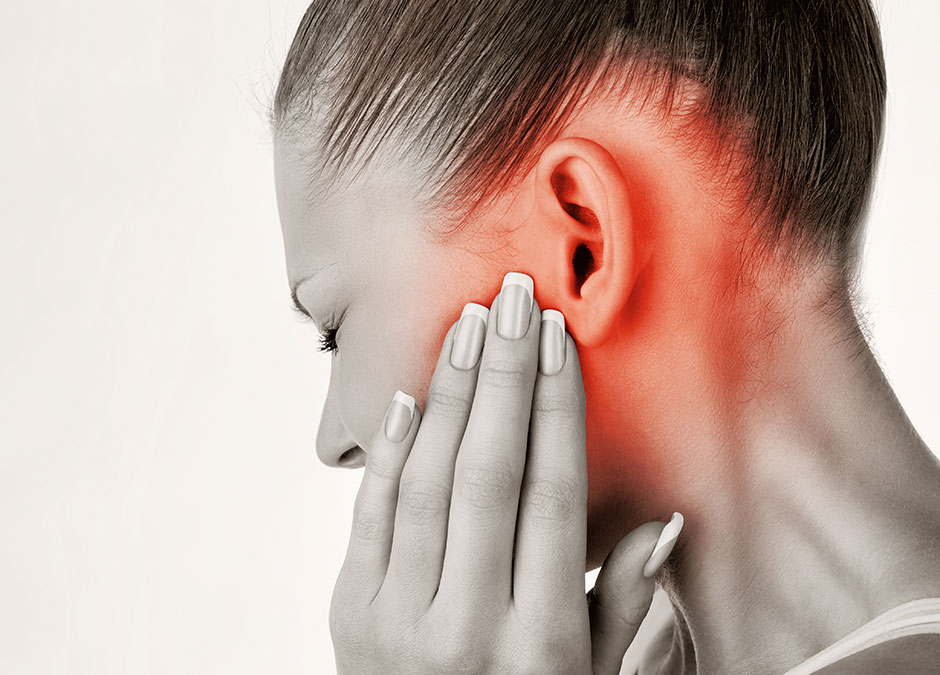
TMJ Ear Pain: Why Your Jaw May Be Causing Your Ear Problems
Can TMJ Cause Ear Pain?
Yes — and it's far more common than most people realize. TMJ ear pain is one of the most frequent reasons patients visit our Washington, DC office thinking they have an ear infection, only to discover the real source of their discomfort is the temporomandibular joint. The TMJ sits directly in front of each ear, and when this joint becomes inflamed, strained, or misaligned, the symptoms can feel identical to an ear problem.
If you've been to an ENT or your primary care doctor and been told your ears are fine, but the pain, pressure, or ringing persists — your jaw may be the missing piece. At White32 Dental, Dr. Charles White diagnoses and treats TMJ disorders that cause ear-related symptoms, helping patients get answers they've been searching for — sometimes for months or years.
Why TMJ Disorders Affect Your Ears
The connection between the jaw and the ear isn't coincidental — it's anatomical. The temporomandibular joint shares nerve pathways, muscle attachments, and physical space with the structures of the ear. When something goes wrong with the TMJ, the ear often gets caught in the crossfire. There are three main reasons this happens.
Shared nerve pathways
The auriculotemporal nerve — a branch of the trigeminal nerve — serves both the TMJ and the ear canal. When the TMJ is irritated or inflamed, pain signals travel along this nerve and are perceived as ear pain, even though the ear itself is healthy. This is called referred pain, and it's the primary reason TMJ ear pain gets misdiagnosed as an ear infection.

Muscle tension radiating to the ear
The muscles that control jaw movement — particularly the lateral pterygoid and the masseter — attach near the ear. When these muscles are chronically tight from clenching, grinding, or stress, the tension radiates directly into the area around and behind the ear. This creates a deep, aching pain that can feel like it's inside the ear itself.
Pressure effects on the middle ear
The TMJ is physically adjacent to the middle ear. Dysfunction in the joint can alter the pressure dynamics in the Eustachian tube, leading to sensations of ear fullness, muffled hearing, and pressure that won't resolve by popping your ears. Some researchers believe that displacement of the TMJ disc can physically compress structures near the ear canal, further contributing to symptoms.
TMJ Ear Symptoms: What to Watch For
TMJ-related ear problems go well beyond a simple earache. The range of ear symptoms that TMJ disorders can cause often surprises patients — and the variety is one reason these symptoms frequently get attributed to the wrong cause. Here are the specific ear symptoms associated with TMJ dysfunction:
Ear pain and aching (TMJ earache)
The most common TMJ ear symptom is a dull, persistent ache in or around the ear — especially in front of the ear or deep inside the ear canal. Unlike an ear infection, which typically causes sharp pain with fever and drainage, TMJ-related ear pain tends to be worse in the morning (from nighttime clenching), intensifies with chewing or yawning, and doesn't respond to antibiotics. Many patients describe it as a deep pressure rather than a sharp sting.
Ear fullness and pressure
A feeling that your ear is clogged, full, or stuffed — like being on an airplane that won't equalize — is one of the hallmark signs of TMJ affecting the ear. This TMJ ear fullness occurs because tension in the jaw muscles and inflammation around the joint can interfere with Eustachian tube function. If you've been told your ears are clear but the fullness won't go away, TMJ should be evaluated.
Tinnitus (ringing in the ears)
Ringing, buzzing, or humming in one or both ears — known as tinnitus — can be triggered or worsened by TMJ disorders. The exact mechanism isn't fully understood, but the leading theory involves the shared nerve connections between the TMJ and the auditory system. Some patients notice the ringing gets louder when they clench their jaw, which is a strong indicator that the TMJ is involved.
Pain behind the ear
TMJ pain behind the ear is typically caused by tension in the sternocleidomastoid muscle and the muscles at the base of the skull, which become strained as secondary effects of jaw dysfunction. This pain can extend down into the neck and up into the temple, creating a pattern that overlaps with tension headaches.
Dizziness and balance issues
In some cases, TMJ disorders contribute to mild dizziness or a sensation of being off-balance. This is thought to be related to the proximity of the TMJ to the vestibular system and the effects of chronic muscle tension on proprioception in the head and neck area.
TMJ Ear Pain vs. Ear Infection: How to Tell the Difference
Patients frequently ask us how to distinguish between TMJ ear pain and an actual ear infection. While a medical professional should always make the final diagnosis, there are key differences that can help you recognize when the jaw is the likely culprit:
TMJ ear pain typically worsens with jaw movement (chewing, yawning, talking), occurs alongside jaw stiffness or clicking, is often worse in the morning or during stressful periods, doesn't come with fever, drainage, or hearing loss, and may alternate between ears or affect both sides. An ear infection usually produces sharp or throbbing pain that's constant, is often accompanied by fever, fluid drainage, and noticeable hearing changes, affects one ear at a time, and responds to antibiotics within a few days.
If antibiotics haven't resolved your ear pain, or if the pain keeps coming back despite treatment, a TMJ evaluation should be your next step.
What Causes TMJ Ear Pain?
Understanding what's driving the TMJ dysfunction is key to treating the ear symptoms effectively. The most common underlying causes include:
Teeth grinding and jaw clenching (bruxism)
Chronic grinding or clenching — usually during sleep — places enormous stress on the TMJ and the surrounding muscles. Over time, this can cause inflammation in the joint, muscle fatigue, and disc displacement, all of which produce ear symptoms. Bruxism is the single most common cause of TMJ-related ear pain. Read our guide to teeth grinding and TMJ for a deeper look at how bruxism affects the jaw and ears.
Bite misalignment (malocclusion)
When the upper and lower teeth don't fit together properly, the jaw muscles have to compensate — working harder and in abnormal patterns. This chronic strain can irritate the TMJ and radiate symptoms to the ear. Bite issues can be subtle and go unnoticed for years.
Stress and muscle tension
Stress causes many people to unconsciously clench their jaw, tighten their facial muscles, and hold tension in the neck and shoulders. This sustained muscle engagement strains the TMJ and often triggers or worsens ear symptoms during high-stress periods.
Jaw injury or trauma
A blow to the face, a car accident, or even prolonged dental work that required keeping the mouth open for extended periods can injure the TMJ or displace the disc inside the joint. Post-traumatic TMJ dysfunction frequently presents with ear pain as a primary symptom.
Arthritis in the TMJ
Both osteoarthritis and rheumatoid arthritis can affect the temporomandibular joint, causing inflammation, cartilage breakdown, and pain that radiates to the ear. This is more common in older adults but can occur at any age.
How White32 Dental Treats TMJ Ear Pain
At White32 Dental, we take TMJ-related ear symptoms seriously — because we understand how disruptive they are and how often they're dismissed or misdiagnosed. Our approach starts with a thorough evaluation of your jaw, bite, and muscle function, and results in a treatment plan tailored to the specific cause of your symptoms.
Comprehensive TMJ evaluation
Dr. White examines your jaw movement, palpates the muscles and joint, evaluates your bite alignment, and takes digital X-rays to assess the joint structure. We listen to your full symptom history — including the ear symptoms that other providers may have overlooked.
Custom oral appliance therapy
For patients whose TMJ ear pain stems from grinding, clenching, or bite issues, a custom-fitted oral appliance worn at night repositions the jaw, reduces muscle strain, and takes pressure off the joint. This is the most common first-line treatment and provides significant relief for many patients within weeks.
Bite adjustment and restorative support
If a misaligned bite is driving the TMJ problem, targeted adjustments — and in some cases restorative work like crowns to rebuild worn teeth — can correct the way your teeth come together and eliminate the muscle compensation patterns causing your ear symptoms.
Guidance on stress management and lifestyle changes
We work with patients on practical strategies to reduce jaw tension: awareness exercises, postural adjustments, dietary modifications (softer foods during flare-ups), and stress reduction techniques. These changes support the clinical treatment and help prevent recurrence.
When to See a Dentist for TMJ Ear Pain
Not every earache is TMJ — but if any of the following sound familiar, it's time for a TMJ evaluation: your ear pain keeps coming back despite treatment from your doctor or ENT, the pain is worse when you chew, yawn, or wake up in the morning, you've noticed jaw clicking, popping, or stiffness alongside the ear symptoms, you have chronic headaches, neck pain, or facial tension in addition to ear discomfort, or someone has told you that you grind your teeth at night.
The longer TMJ disorders go unaddressed, the more entrenched the muscle patterns and joint inflammation become. Early intervention leads to faster, more complete relief — especially for ear-related symptoms.
TMJ Ear Pain Treatment in NW Washington, DC
White32 Dental is located at Foxhall Square, 3301 New Mexico Avenue NW, Suite 323, with complimentary parking. We see TMJ patients from Georgetown, the Palisades, Spring Valley, Glover Park, Wesley Heights, and across the DC metro area — including patients referred by ENTs and primary care physicians who've ruled out ear-specific causes.
If ear pain, fullness, ringing, or pressure has been disrupting your life and no one has been able to explain why, call White32 Dental at (202) 519-7410 or book a TMJ consultation online. We'll listen, evaluate thoroughly, and give you a clear answer.
Frequently Asked Questions About TMJ and Ear Pain
Can TMJ cause ear fullness?
Yes. TMJ dysfunction can interfere with Eustachian tube function and create a persistent sensation of pressure or fullness in one or both ears. This is one of the most commonly reported ear symptoms in TMJ patients and typically improves as the TMJ is treated.
Can TMJ affect your hearing?
Some patients experience temporary muffled hearing or sensitivity to sound as a result of TMJ-related inflammation and muscle tension near the ear. True hearing loss from TMJ alone is rare, but any changes in hearing should be evaluated by both a dentist and an audiologist.
How long does TMJ ear pain last?
Without treatment, TMJ ear pain can persist for weeks, months, or even years — particularly if the underlying cause (like bruxism or bite misalignment) isn't addressed. With appropriate treatment, many patients experience significant improvement within 2–6 weeks.
How do I get rid of TMJ ear fullness?
The most effective approach is treating the TMJ disorder causing the fullness. A custom oral appliance that reduces jaw clenching, combined with jaw exercises and stress management, typically resolves the feeling of ear congestion. Home remedies alone rarely provide lasting relief for this symptom. Learn more about how to relieve TMJ pain.
Is TMJ ear pain on one side or both?
TMJ ear pain can affect one side or both, depending on whether the dysfunction is unilateral or bilateral. Some patients notice the pain alternates between sides, while others consistently feel it on the dominant chewing side.
Does TMJ ear pain go away on its own?
Mild, stress-related TMJ flare-ups sometimes resolve with rest and self-care. However, if symptoms have lasted more than a few weeks or are recurring, the underlying cause is unlikely to resolve without professional treatment. Delaying care often allows the condition to worsen.
What kind of doctor treats TMJ ear pain?
A dentist with experience in TMJ disorders is usually the best provider — since the temporomandibular joint is part of the dental and craniofacial system. At White32 Dental, Dr. White has years of experience diagnosing and managing TMJ conditions. Learn more about what TMJ is and how it's diagnosed.
Related TMJ Resources
- TMJ Symptoms and Treatment Options
- Dr. Julie Park — Restorative and Surgical Care
- Sleep Apnea Treatment — often co-occurs with TMJ and bruxism
- Emergency Dental Care — for sudden severe jaw or facial pain
- The White32 Patient Experience
Join Our Family Dental Practice
Begin your journey to a radiant smile today. Schedule your appointment with White32 Dental and experience dental care that goes beyond your expectations.
